
coated glass uses
Understanding Gate Valves A Focus on Gate Valve 16 Gate valves are crucial components in various industrial applications, serving as a mechanism to start or stop the flow of fluids through a pipe. Among the numerous types of gate valves available, Gate Valve 16 has gained attention for its reliability and efficiency. This article explores the characteristics, applications, advantages, and maintenance of Gate Valve 16, offering insights into why it is favored in many scenarios. What is a Gate Valve? A gate valve is a linear valve that opens by lifting a barrier (the gate) out of the path of the fluid. The main function of a gate valve is to provide a straight-line flow of fluid with minimum restriction. Compared to other types of valves, such as ball valves or globe valves, gate valves are more suited for use in applications where the flow needs to be either completely on or completely off. Features of Gate Valve 16 Gate Valve 16 stands out due to several key features that enhance its performance - Design and Construction Typically made from durable materials like stainless steel, cast iron, or bronze, Gate Valve 16 is designed to withstand high pressures and temperatures. Its robust construction ensures longevity and reliability in demanding environments. - Size and Configuration Gate Valve 16 comes in various sizes, making it versatile for different applications. Whether it’s a small residential plumbing system or a large-scale industrial pipeline, there’s a suitable Gate Valve 16 configuration. - Sealing Mechanism The sealing mechanism of Gate Valve 16 is engineered to provide a tight seal when the valve is closed. This feature prevents leakage, which is crucial for maintaining the integrity of fluid systems. Applications of Gate Valve 16 Gate Valve 16 is utilized in diverse fields, including - Oil and Gas Industry In oil and gas pipelines, Gate Valve 16 is employed to control the flow of crude oil and natural gas, where it is pivotal in managing flow rates and pressures during processing and transportation. gate valve 16 - Water Supply Systems Municipal water supply systems rely on Gate Valve 16 to regulate the flow of water through pipelines, ensuring the system operates efficiently and safely. - Chemical Processing The chemical industry uses Gate Valve 16 for controlling the flow of corrosive and hazardous fluids, benefitting from its ability to maintain pressure and prevent leaks. - Power Generation In power plants, Gate Valve 16 is integral to steam and water systems. It helps in providing efficient flow control to ensure optimal operation of turbines and boilers. Advantages of Gate Valve 16 The popularity of Gate Valve 16 is attributable to several advantages - Minimal Pressure Drop One of the most significant benefits of Gate Valve 16 is its ability to offer low pressure drop across the valve when fully open. This characteristic is essential for systems requiring high flow rates. - Straight-Through Flow Gate valves provide a straight path for fluid, minimizing turbulence and making them suitable for applications where a smooth flow is needed. - Durability With proper maintenance, Gate Valve 16 can have a long service life, which reduces the need for frequent replacements and lowers long-term operational costs. Maintenance of Gate Valve 16 Proper maintenance is critical to ensure the effective functioning of Gate Valve 16. Regular inspections for signs of wear, corrosion, or leakage are advisable. The valve should be operated periodically to ensure that the gate does not seize in the closed position. Lubrication of moving parts and checking for any buildup of debris can also prolong the valve’s life. Conclusion In summary, Gate Valve 16 plays a significant role in a variety of industries by offering efficient flow control, durability, and minimal pressure loss. Its design and functionality make it an essential component of fluid systems, whether for managing water supply, oil and gas transport, or chemical processing. Understanding its features, applications, and maintenance needs can assist engineers and technicians in selecting the right valve for their systems and ensuring that they operate efficiently and reliably over time. As technology advances, Gate Valve 16 will continue to be a relevant choice in the ever-evolving landscape of industrial fluid management.
about
coated glass uses
Understanding Thread Plug Gauge Suppliers In the world of precision engineering and manufacturing, ensuring the integrity of threaded connections is paramount. Thread plug gauges are an essential tool used to measure the functional parameters of internal threads. They help ensure that parts will fit together properly and are vital for quality control in various industries, including automotive, aerospace, and plumbing, among others. This article aims to explore the importance of thread plug gauges, the characteristics to look for in suppliers, and how to choose the right one for your needs. The Importance of Thread Plug Gauges Thread plug gauges are specifically designed to check the accuracy and uniformity of internal threads. They come in various sizes and thread profiles, enabling users to inspect the thread pitch, diameter, and form. This inspection is crucial because defective threads can lead to assembly issues, compromised structural integrity, and even catastrophic equipment failure. Therefore, sourcing quality thread plug gauges from reliable suppliers is essential. A key aspect of maintaining quality assurance is using the correct plug gauge against the thread design. By employing both go and no-go gauges, manufacturers can ensure that the internal threads meet predefined standards. The go gauge verifies that the thread can accept a standard connection, while the no-go gauge checks that the connection is not too loose or oversized, preventing potential failures. Characteristics of Reliable Thread Plug Gauge Suppliers When searching for thread plug gauge suppliers, certain characteristics and certifications should be prioritized to ensure you get high-quality products. Here are some essentials to consider 1. Quality Standards Suppliers should adhere to recognized industry standards such as ISO, ASME, or ANSI. Compliance with these standards ensures that the gauges meet stringent measurement and precision requirements. 2. Material Quality The durability of the gauges largely depends on the materials used . High-quality thread plug gauges are typically made from hardened steel, which resists wear and deformation, ensuring longevity even under rigorous use. thread plug gauge suppliers 3. Calibration and Accuracy Reliable suppliers will offer gauges that are properly calibrated and can provide calibration certificates. This assurance is vital as it verifies that the gauges meet the required tolerances for accuracy. 4. Custom Solutions Different applications may require specific gauge sizes, shapes, or threading profiles. Suppliers that offer customized solutions can cater to unique project requirements, thus providing further value. 5. After-Sales Support A reputable supplier will provide excellent after-sales service, including maintenance, repairs, and guidance on using the gauges correctly. This support is especially crucial for new users or those unfamiliar with working with thread gauges. 6. Delivery Timeliness In a fast-paced manufacturing environment, waiting for tools can halt production. Reliable suppliers should have efficient logistics to ensure timely delivery of gauges, minimizing downtime. Choosing the Right Supplier Selecting the right thread plug gauge supplier involves conducting thorough research. Start by reviewing the suppliers’ websites and product offerings, examining customer testimonials and references. Attending industry trade shows and exhibitions can also be helpful, allowing you to network with suppliers directly and assess their products in person. Once you identify potential suppliers, consider requesting samples. Testing these gauges in your own production environment will help verify their functionality and suitability for your specific needs. Furthermore, establishing a relationship with a supplier can lead to better pricing, exclusive products, and quicker access to new technologies. Conclusion In conclusion, thread plug gauges are indispensable tools in ensuring the accuracy of internal threads in manufacturing. By selecting a high-quality supplier that meets the aforementioned criteria, businesses can significantly mitigate risks associated with defective threaded connections. Prioritizing quality, calibration, material, and customer support will ultimately lead to better product quality and improved operational efficiency. As industries continue to evolve, investing in quality measuring tools like thread plug gauges will remain a key component in achieving engineering excellence.
-

High quality industrial productsagement

High quality industrial products
View Details -

Meet the diverse needs of customers

Meet the diverse needs of customers
View Details -

Strict quality control

Strict quality control
View Details -

Top raw materials

Top raw materials
View Details -

Trusted supplier

Trusted supplier
View Details
Our application

news and information
Veden sulkuventtiilin paikantaminen käytännön vinkkejä ja ohjeet
Veden sulkuventtiilin löytäminen Opas ja vinkit Veden sulkuventtiili on olennainen osa kodin vesijär
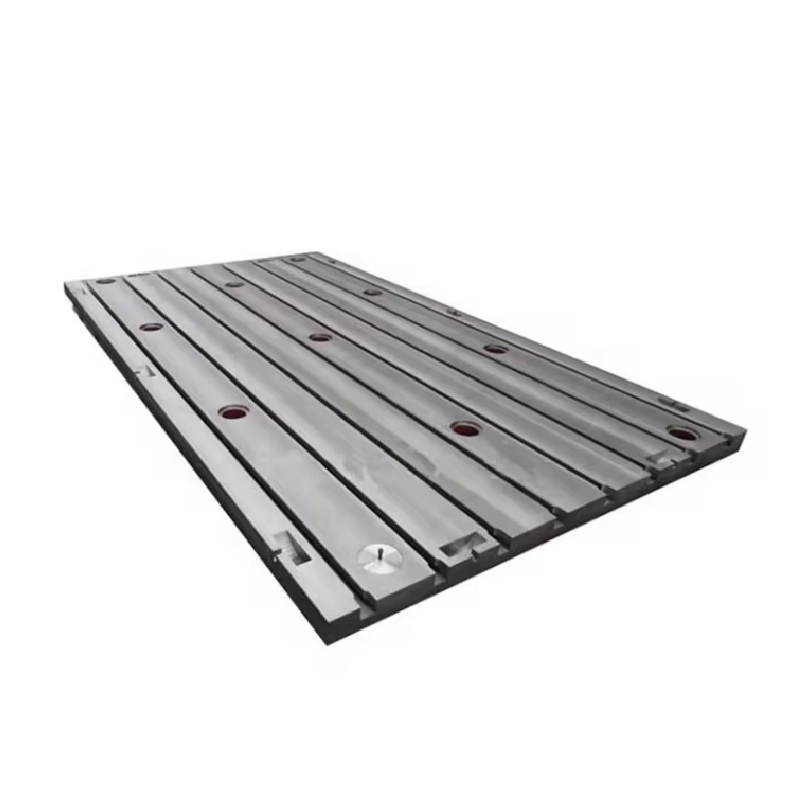
Welding Tables_ The Essential Tool for Precision and Durability
A welding table is a must-have for anyone involved in metalworking or fabrication. When it comes to

Y Type Strainer Cost and Pricing Analysis for Industrial Applications
Understanding the Pricing of Y-Type Strainers When it comes to maintaining the efficiency and longev
 English